
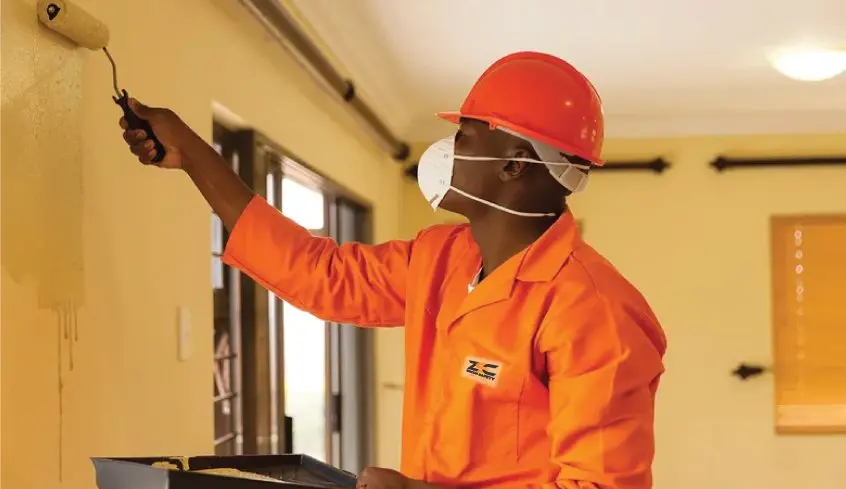
Hazards Of Lead Based Paint And 7 Ways To Protect Yourself
Here’s a rewritten version of the text, focusing on clarity, conciseness and engagement:
The Hidden Danger: Lead Paint on Your Project
Lead a toxic material was a common ingredient in household paints until its federal ban in 1978 due to its severe health impacts. While today’s paints are safer, featuring low or zero VOCs to reduce risks like headaches and respiratory issues many older properties still harbor lead-based paint hazards, particularly during renovation, repair and painting (RRP) projects.
Since April 22, 2010 any company performing RRP services that might disturb lead-based paints must have lead renovator certification. This ensures they follow specific practices to prevent contamination. Workers get this certification by completing training and passing an EPA certification test online.
Health Hazards of Lead-Based Paint
Even if intact, lead paint poses a risk once it deteriorates, shedding toxic dust onto clothes, toys and furniture. Regular contact or inhaling this dust can lead to serious health problems in both children and adults including:
- Organ damage: Kidneys, brain and nerves
- Cognitive issues: Hyperactivity, memory, concentration and hearing problems
- Other symptoms: Headaches, increased blood pressure, anemia and fertility issues
A lead-based paint test is crucial to determine if this toxic product is present in a home.
Protecting Workers from Lead Exposure
Protecting your team from lead exposure on a construction site is paramount. Here’s how:
- Ensure Certification: Confirm all employees are proficient in handling lead-based paints. An EPA lead certification lookup is a must and workers should complete specific training courses.
- Control Dust: Minimize lead dust and fumes by using methods like chemical paint strippers, wet abrasive paper, scrapers or infrared equipment.
- Prevent Spread: Isolate work areas with plastic sheeting and cover soft furnishings. Thoroughly clean all surfaces after work.
- Use PPE: Workers must wear Respiratory Protective Equipment (RPE), disposable clothing and gloves. Keep these separate from personal items and dispose of them properly.
- Safe Practices: Encourage breaks and meals away from contaminated zones to limit exposure time.
- Train and Supervise: Provide relevant training for all workers interacting with toxic materials and supervise closely to ensure all safety measures are followed.
Also visit for more information: https://zirconsafetyconsultants.com

You may also like

Construction Safety Training in New York City

NYC DOB Rigging License Guide